The hotel lobby is the first space guests encounter—it sets the tone for their entire stay.
A simple wall-mounted screen may fulfill a basic function, but it rarely leaves a lasting impression. However, when an LED display curves along architectural lines, blends seamlessly into glass surfaces, or even responds to guests' movements, it becomes an unforgettable experience. Today, LED displays are no longer just content players; they are integral to spatial storytelling, brand expression, and guest engagement.
1. Curved LED displays
Curved LED displays are designed to follow the natural flow of a hotel's architecture. Whether installed along sweeping curved walls, behind reception desks, or around elevator entrances, they create a harmonious visual continuum that feels organic rather than intrusive.
Instead of a rigid rectangular screen interrupting a carefully designed space, a curved screen becomes part of the wall itself. This allows for immersive panoramic visuals—such as cascading waterfalls, drifting clouds, bustling city skylines, or serene mountain ranges—that immediately transport guests into the hotel's thematic atmosphere.
In practice, many projects now combine flat panels with 120° curved sections, connecting them at different angles to build a layered, three-dimensional visual backdrop. The result is not a "screen mounted on a wall," but a wall that has learned to glow, move, and tell stories. The architecture defines the shape; the LED display brings it to life.
This solution is particularly well-suited for luxury hotels, resort lobbies, and flagship brand properties where spatial aesthetics are paramount.
 2. Columnar/cylindrical LED displays
Hotels often feature numerous structural columns, especially in large atriums or open public areas. Traditionally seen as obstacles to be hidden or disguised, these columns can instead become striking visual focal points.
Columnar or cylindrical LED displays wrap around existing pillars, creating 360° digital surfaces that broadcast content in every direction. Unlike flat screens that face only one way, cylindrical screens ensure visibility from all angles—whether guests are approaching from the main entrance, relaxing in the lounge area, or stepping out of the elevator.
The content possibilities are diverse: slow-moving natural landscapes create a calming ambiance; festive animations celebrate holidays; event schedules and brand stories keep guests informed. During corporate meetings or wedding receptions, the same columns can be repurposed to match the event's theme.
Instead of trying to hide the pillars, this approach turns them into active design elements—what was once an obstacle becomes an asset. Guests no longer "walk around the pillars"; they walk into a space where even the columns have a voice.
 3. Transparent LED displays
Glass curtain walls and partitions are common in modern hotel design, prized for their ability to flood spaces with natural light and create an open, airy feel. But placing a traditional opaque LED screen in front of such glass would defeat the purpose—it would block views and darken the interior.
Transparent LED displays offer an elegant solution. With high transparency (often over 70-90%), they can be mounted directly onto glass surfaces while allowing sunlight to pass through during the day. The sense of openness remains untouched.
When night falls, however, these same screens come alive. They transform ordinary glass facades into dynamic brand billboards, displaying vivid visuals, promotional messages, or artistic light shows. The glass itself appears to "speak and glow," creating a striking contrast between transparency and illumination.
Beyond the entrance, transparent screens can also be used on lobby skylights, interior glass partitions, or atrium railings. They are ideal for high-end hotels that desire the visual power of LED technology without compromising the spatial freedom and natural beauty that glass architecture provides.
 4. Creative irregularly shaped LED displays
Why should an LED display always be a rectangle? If a hotel's logo is a leaf, a wave, or an abstract symbol, why not let the screen take that very shape?
Creative irregularly shaped LED displays are custom-manufactured to match brand identities, architectural motifs, or artistic visions. They can take the form of flowing ribbons, concentric rings, freeform curves, geometric fragments, or even bold sculptural configurations that challenge conventional expectations.
When thoughtfully designed, these screens transcend the role of "display devices" and become genuine art installations. A wave-shaped screen can show ocean visuals that flow in sync with its contour; a circular screen can frame abstract animations that draw the eye upward. Luxury hotels, in particular, can integrate their brand logo's silhouette directly into the screen, making the visual identity instantly recognizable and memorable.
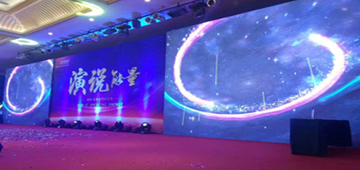
Moreover, these screens are highly versatile. For product launches, themed parties, or cultural events, the same irregular screen can switch content to match the occasion, ensuring it remains relevant and impactful year-round. The true value of an irregularly shaped screen lies not in its novelty, but in how naturally it belongs to the space—as if the building itself always intended to display images in that very form.
 5. Interactive/immersive LED displays
A screen that merely plays videos is quickly overlooked—guests glance and move on. But a screen that responds to human presence creates a completely different dynamic.
Interactive LED displays integrate sensors, cameras, motion detectors, or touch interfaces to react in real time to guest behavior. For example, when a guest approaches, floating light particles on the screen may part or follow their path; a digital garden may bloom in response to their gestures; a welcome message may unfold in sync with their steps.
This level of engagement transforms passive viewing into active participation. Guests become co-creators of the experience, which fosters emotional connection and makes the hotel more memorable. It's particularly effective for lifestyle brands, art-forward hotels, and properties targeting younger, tech-savvy travelers.
Beyond daily operation, interactive screens offer exceptional flexibility for events. During a wedding, they can become dreamlike animated backdrops that react to the couple's movements. At a press conference, they can display live data visualizations or real-time social feeds. Today it welcomes guests with digital art; tomorrow it immerses them in a brand story—all on the same screen.
When the display responds to people, the hotel itself feels more alive, more human, and more innovative.
 6. Conclusion
Selecting the right LED display for a hotel lobby is never about "bigger is better." The most impactful choices are often the most thoughtful ones—a subtle curve, a transparent panel, a custom shape, or an interactive layer can leave a far stronger impression than sheer size.
A truly creative LED display does more than show images. It communicates the hotel's identity, enhances the spatial experience, and makes guests feel, from the very first step inside, that this place is different—not because of the screen, but because of how the screen belongs to the space.
For more information or to discuss your specific project, please feel free to contact us. We'd be delighted to help bring your vision to life.