Introduction
Most advertisements get glanced at and forgotten within seconds. But a giant LED installation transforms a product from a mere ad into a live spectacle—and that contrast alone generates buzz. Still, size isn't everything. The real question is: how do you get people to stop, pull out their phones, share on social media, and even walk into your store? Below are five practical approaches, all pointing toward the same goal—turning visual impact into real foot traffic.
Method 1: Magnify Iconic Elements for Instant Impact
Consumer attention spans in outdoor settings are extremely short—usually just a few seconds. So instead of rushing to explain the product, focus on its most recognizable features: packaging, bottle silhouette, car grille, or shoe texture. Blow them up to oversized proportions across the entire LED screen. That way, the product becomes instantly identifiable from a distance and serves as a visual anchor for the entire street or shopping area.
For example, a beverage brand can scale a can to building height, making its logo a natural landmark; a sports brand can extract sole patterns and upper lines into a slow-rotating 3D effect, highlighting design details with a tech-forward feel; a car showroom can animate headlights turning on one by one, with body lines flowing and flickering, so passersby recognize the model from dozens of meters away.
This approach may seem simple, but it effectively amplifies the product's most memorable visual cues. A strong first impression buys you those extra seconds of attention—and that's where all subsequent engagement begins.
 Method 2: Add Motion to Prolong Engagement
No matter how good a static image looks, it typically holds attention for only a few seconds. But once the content starts moving, everything changes—human vision is naturally drawn to motion, significantly extending dwell time.
In terms of content design, you can create dynamic narratives based on the actual product: a drink can show the tab being pulled, the bottle tilting, and bubbles surging upward; a perfume bottle can rotate slowly while rings of light expand outward, suggesting the diffusion of fragrance; a car can feature headlights pulsing like breathing, a rotating body, or even a 3D "breaking out" effect.
The key point: the screen stays flat, but through 3D visuals and motion design, the product feels dimensional, alive, and emotionally engaging. And content should never stay static—product launches, holiday campaigns, and brand collaborations all deserve fresh visuals, giving the same LED screen a new story to tell at different times. Consumers may see something different every time they pass by.
 Method 3: Turn the Screen into a Photo-Worthy Spot for Organic Sharing
An LED screen that only allows people to watch is only half effective. The truly powerful one makes people want to pull out their phones, take a shot, and post it. This kind of user-generated exposure often carries more weight than the ad itself.To achieve this, plan the optimal photo angles and framing during the design phase, so consumers can easily capture the product, motion effects, and brand logo in one natural shot without struggling to find the right position.
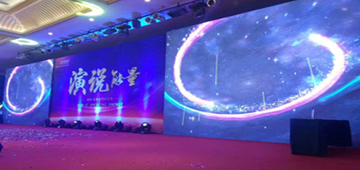
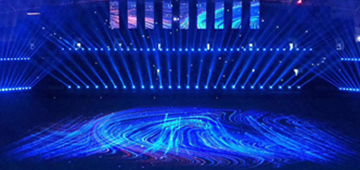
Practical scenarios: a beauty store can create a digital garden where flowers bloom and change color as customers move within a designated area, creating a "person-in-picture" effect; a car showroom can combine vehicles with dynamic starry skies or urban nightscapes, making every photo look cinematic; pop-up stores can feature limited-time themed backdrops that encourage check-ins.
A subtler touch: don't force the logo onto the screen. Instead, let it appear naturally within the scene—like a label on a bottle or an emblem on a car's front grille. The photos look great and natural, while the brand message comes through clearly. Consumers are happy to share, and the brand earns free social media exposure—a win-win.

Method 4: Convert Visual Attention into Store Traffic—Bridging the Gap from "Seeing" to "Buying"
Attracting attention is only the first step. The real challenge is: after people stop and watch, how do you get them to actually walk in?The most straightforward approach is to place the LED screen directly across from or right next to the store entrance or product experience area, creating a visual echo between the screen content and the in-store display. For instance, the screen shows a new beverage in action, and right next to it is a tasting counter; a clothing brand displays the season's new arrivals on screen, with on-screen text or voice prompts inviting try-ons.
Interactive elements significantly boost conversion. Add a QR code at the corner of the screen—scan to receive a coupon, enter a lucky draw, register for membership, or play a product-related mini-game. The reward could be a small gift or discount redeemable in-store. This turns passive viewing into an active engagement with a clear next step.In short: the LED screen generates interest; the store captures and fulfills it. The smoother the connection between the two, the higher the conversion rate—from glance to entry, from entry to experience, from experience to purchase.

Method 5: Refresh Content Regularly to Avoid Visual Fatigue
Many LED projects fall into the same trap: at launch, everyone's excited and taking photos; but two or three months later, passersby have grown used to it, and the screen fades into background wallpaper.
To break this cycle, content must move with the marketing calendar. When new products drop, update the visuals immediately. For holidays, switch to festive themes. For brand collaborations, anniversaries, or limited-time promotions—every milestone deserves a fresh "outfit" for the screen. Same hardware, different content, sustained novelty.You can go further by syncing screen content with offline events and social media. For example, during a store launch event, the LED screen can broadcast the live feed or display a countdown, creating a shared sense of occasion. On social platforms, launch a hashtag or call for user photos, then curate and display selected submissions on the LED screen. Online users get the thrill of seeing their own content on a giant offline display, which in turn encourages more participation and sharing—creating a positive loop between online and offline traffic.
It's also wise to review interaction data regularly: which visuals keep people watching longer, which QR codes get more scans, which mini-games attract the most participants—these are your optimization signals. Retire underperforming content without hesitation. That way, even though it's the same screen and the same product, consumers may find something new each time they pass, and the product's appeal stays fresh much longer.

Conclusion
Giant LED displays are never just about making things bigger.Size captures attention in a noisy environment; motion keeps people watching; fun makes them want to share; and a smooth guidance path turns all of that into actual store visits and purchases.
When an LED screen evolves from a "billboard" into a "product experience entry point," brands gain far more than exposure—they earn impressions, engagement, social amplification, and real conversion.
Big enough to see, engaging enough to remember, fresh enough to revisit, and seamless enough to drive action—that's what giant LED displays should truly deliver.