Introduction
For clubs, LED displays have evolved from simple devices into key elements of spatial design. Curved, cylindrical, and wave-shaped designs can enhance a space, but the real challenge is natural integration—not just being unusual.

 1. What space should the shape of an irregularly shaped LED display be based on?
Irregular screens aren’t about being as odd as possible. Truly aesthetic designs often stem from the space itself, letting the screen blend into the architecture rather than being forced in.Options based on site structure:
Curved walls → use curved LED screens to follow the wall.
Cylindrical structures → use cylindrical screens to turn columns into focal points.
Corners → use folded or custom screens to extend along the angle.
Themed spaces → design to match brand, exhibition, or entertainment themes.
For example, a square screen on a mall column looks awkward; a wraparound cylindrical screen makes the image visible from all angles. A curved wall with a curved screen playing flowing visuals creates a coherent effect.In short, irregular screens work best when they fit the space, not just for novelty.

2. How to truly integrate LED displays with the club's interior design style?
A unique appearance isn’t enough—surrounding décor matters. If the screen clashes with walls, lighting, or furniture, it becomes an outsider.Key considerations:
Wall materials (metal, wood, stone, etc.) should match the screen style.
Brightness and color tone should coordinate with lighting.
Content should align with the overall color scheme.
Screen shape should echo architectural lines.
Design language should match the club’s positioning.
For instance, a high-end club can use a sleek curved screen with marble and concealed lighting for a tech-savvy yet low-key feel. A gaming club can use zigzag or multi-faced screens with light strips for a dynamic, futuristic vibe.Misplacement (e.g., a business club styled like an esports arena) feels out of place.

3. Where should an irregularly shaped LED display screen be placed to become a visual focal point?
Placement matters more than shape. Priority areas:
Lobby entrance → for a strong first impression.
Reception backdrop → add logos and motion for recognizability.
Bar area → use curves or creative shapes to enhance ambiance.
Rest area → display light content to engage.
Stage backdrop → coordinate with events for stronger impact.
Building corners → utilize overlooked spaces to extend the display.
For example, a curved entrance backdrop can become a curved screen showing brand animations upon entry. In an esports club, an irregular screen behind the stage can switch to live match footage to energize the crowd.But ensure it doesn’t block walkways, fire equipment, or maintenance access.

4. How to coordinate the shape of the irregularly shaped screen with the displayed content?
A common mistake: the screen is deformed, but content stays in square templates—wasting the shape’s potential.Match content to shape:
Curved screens → continuous, flowing images (people, light, brand elements along the curve).
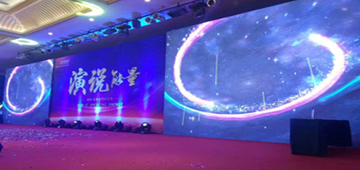
Circular screens → wraparound animations for a 360° flow.
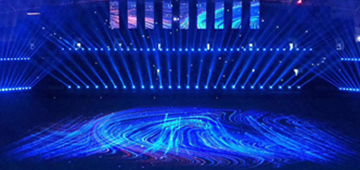
Wave-shaped screens → ripples, gradients, flowing light that move with the screen.
Custom shapes → incorporate logos or brand symbols, making the screen part of the brand.
For a circular screen, a static poster sits idle in the center; but if the logo or light flows along the ring, viewers see a complete image from any angle, transforming the experience.

5. How to balance effect and maintenance when choosing irregularly shaped LED displays?
A common oversight: loving the design but ignoring repair issues. The more complex the design, the more maintenance planning matters.Focus on:
Structural stability → no deformation over time.
Easy module replacement → quick fixes, minimal downtime.
Clear power and control system layout → simple servicing.
Good heat dissipation → prevent overheating.
Sufficient maintenance space → don’t wait until breakdown to find you can’t reach it.
For a curved screen made of specialized modules, if one fails, you may need to remove a large section—costly and time-consuming. Advance modular design and access planning make repairs easier.So ask not just “Is it cool enough?” but also “Will it be easy to maintain in three years?”


6. Conclusion
The true value of irregular LED displays isn’t in how unusual they are, but in whether they become an integral part of spatial design. When form, content, and architecture truly merge, the screen becomes a unique visual landmark, not just a standalone device.
For more information, feel free to contact us.