At outdoor celebrations, the biggest concern is rarely whether the program is exciting enough—it's whether the LED screen, as the visual focal point, will fail at a critical moment.
A successful outdoor event requires both stunning visuals and reliable equipment performance under complex conditions. Paying close attention to the following five key details is essential preparation for a smooth celebration.

 1. Choosing the appropriate LED screen size based on the scale of the celebration
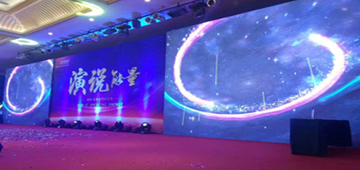
A larger screen is not always better. Size should be determined by the event scale, stage dimensions, audience distance, and seating layout.
For small annual meetings or anniversaries, a medium-sized screen is usually sufficient to display thematic content without overwhelming the stage.
For large forums or brand events with many attendees and long viewing distances, a screen that is too small will leave rear audiences struggling to see details—especially when showing close-ups, logos, or key visuals.
The core principle is to find the best balance among the screen, stage, and audience, enhancing the effect while avoiding unnecessary costs.


2. Pay attention to LED screen protection in outdoor environments
The biggest "uncontrollable factor" is the weather. Rain, strong sunlight, or day-night temperature differences can all threaten normal operation.
Prioritize waterproof and dustproof ratings (such as IP65 or higher) to ensure the screen panels, cabinets, and connections effectively resist rain and dust. Direct sunlight causes temperatures to rise rapidly—poor heat dissipation may lead to display issues or crashes.
UV radiation also accelerates material aging. Heat dissipation, high-temperature tolerance, and UV resistance should all be considered. Comprehensive protection prevents the event from turning into a "repair site" due to sudden weather changes.

3. How does the stage lighting environment affect the display effect?
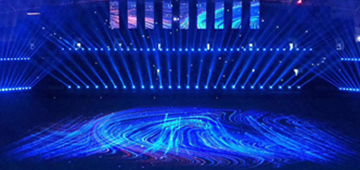
Spotlights, color-changing lights, and laser lights create "visual competition" with the screen. If brightness and lighting are not well coordinated, carefully prepared content may be washed out by strong light or become glaring due to excessive brightness.
Intense stage lighting requires sufficient screen brightness to keep logos and speaker images clear; softer lighting doesn't require ultra-high brightness. Additionally, many celebrations are photographed—flickering, moiré patterns, or reflections can ruin footage. The ideal display should be clear, comfortable, and interference-free, complementing the lighting to enhance the atmosphere.

4. Installation structure and on-site safety cannot be ignored
Behind the screen lies a robust structural design and strict safety measures. Wind is a significant factor in open venues—the larger the screen, the greater the wind load.
If supports, connectors, or anchoring methods are not strong enough, gusts may cause shaking or overturning, creating safety hazards. Before installation, thoroughly inspect the steel framework, counterweight plan, securing methods, and load-bearing capacity.
During setup and teardown, plan cable routing and work zones to prevent tripping, electric shock, or collisions. This is especially important for rented equipment, as on-site time is often tight and any oversight can affect progress and safety.

5. Content and control systems determine the on-site experience
Even high-end hardware is useless if it blacks out, stutters, or lags during transitions.
First, confirm the system supports all required content—promotional videos, guest feeds, live broadcasts, countdowns, interactive segments—as different formats have different signal and processing needs. Second, thoroughly test signal transmission lines, playback devices, and switching workflows before the event. Large celebrations often involve cameras, streaming equipment, computers, and control consoles connected simultaneously—if any signal path fails, recovery is stressful. Advance content planning, signal backups, and transition rehearsals ensure smooth, glitch-free playback, making the screen an asset to the celebration.


Conclusion
Choosing an outdoor celebration LED screen is about more than visual appeal or size.
Every detail—size matching, environmental protection, brightness coordination, installation safety, and content control—directly affects the on-site experience. Comprehensive assessment and thorough preparation ensure the screen performs reliably and impressively on event day.
For more LED display solutions, feel free to reach out.