Introduction
If you've ever been to an airport, a hospital, or a government service hall, you've probably had this experience: standing around looking confused, wondering—"Where do I go?" "What number are they calling?" "Is this info even up to date?"
In the past, you'd have to ask staff, check paper notices, or just wander around until you found an answer. Now, more and more public spaces are using LED displays to push information out to you, instead of making you hunt for it.
 1. Transportation Hubs: Making Travel Info Clear at a Glance
Airports and train stations handle massive crowds every day. Even a slight delay in information can throw off someone's entire trip. When you're rushing with luggage, outdated info is the last thing you need.
LED screens show real-time flight schedules, train times, gate changes, delays, and baggage claim areas—everything at a glance. During peak hours or emergencies like bad weather or line failures, they can push out instant alerts so people know what to do next, rather than standing around guessing.
For operators, these screens aren't just signs—they're communication tools. When information is clear and timely, repetitive questions go way down, and the whole travel experience becomes much smoother.


 2. Government Halls: Taking the Confusion Out of Bureaucracy
Anyone who's been to a government service center knows the struggle: not knowing which window to go to, waiting forever, only to realize you forgot a document or misunderstood the process. It's frustrating, to say the least.
Now, LED screens display step-by-step procedures, window locations, required documents, and even real-time queue status. If policies change or there's a new notice, it updates instantly—no more reprinting and reposting.
This means fewer wasted trips for citizens, less repetitive questioning for staff, and a much cleaner, more organized first impression of the whole place.

 3. Hospitals and Schools: Keeping Information and People Moving
Hospitals and schools share one thing in common—they generate tons of information every day, and that information needs to reach the right people quickly.
In hospitals, patients mainly need to know two things: "Where do I go?" and "When's my turn?" LED screens clearly show department locations, treatment procedures, and queue numbers. For first-timers, just glancing at the screen reduces anxiety and cuts down on directions-seeking, which also eases the pressure on front-desk staff.
In schools, LED displays share campus notices, event schedules, important reminders, and even student achievements. They're way more eye-catching than old-school bulletin boards, and much easier to update. Plus, these screens can be managed from a central system, showing different content on different floors or areas, making information flow more organized.

 4. Urban Public Spaces: Bringing Squares and Parks to Life
In the past, information sharing in city squares, parks, and cultural venues relied on posters and banners that were hard to change and offered little interaction.
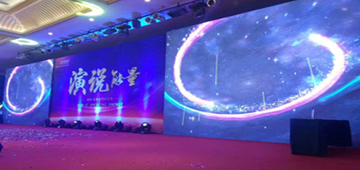
Now, LED screens can showcase city events, public service announcements, cultural content, and even live-stream festivals like music or light shows. Dynamic visuals are way more engaging than static signs, especially for younger crowds. During holidays, they can display greetings; during events, they can share schedules—making citizens feel like the city is alive and responsive.
For city managers, a well-placed LED screen can turn an ordinary square into an event hub, a cultural showcase, or even part of the city's memory. City competition nowadays isn't just about tall buildings and wide roads—it's about quality of life. And LED screens are a small but powerful tool for improving that.

 5. Smart Public Facilities: From Manual Operation to Intelligent Management
In the past, updating public facility info meant sending someone on-site to make changes—pretty tedious, and the content was rigid.
Now, LED screens connect to management systems that allow remote control from a central backend. Multiple screens can be updated simultaneously without anyone running around. If there's a last-minute notice, just update it in the system and all screens sync instantly.
You can even schedule different content for different times—traffic info during weekday rush hours, event promos on holidays, and urgent alerts when needed. This makes information delivery faster and more accurate, while cutting long-term maintenance costs—a very practical piece of the smart city puzzle.

 6. Conclusion
Upgrading public services doesn't always require a big overhaul. A single LED display can cut wait times, clarify information, and make spaces more efficient.
It might not be the most eye-catching piece of equipment in the building, but when it matters most, it's often the one you need.
If you'd like to learn more, feel free to reach out to us.